

Sleep, brain and behaviour laboratory

Sleep is traditionally defined and characterised by behavioural and electrophysiological criteria. For example, during sleep we are immobile and less responsive to the environment, and global cortical activity is distinctly different from an awake state. The differences between waking and sleep become less apparent as we look closer at the spatio-temporal patterns of cortical activity by recording local field potentials or neuronal spiking. It has been shown, that sleep-like patterns of neuronal activity are not uncommon during waking, even during active behaviours, and especially when the animals are drowsy or sleep-deprived. On the other hand, the main network oscillations during sleep – slow waves (~0.5-4 Hz) and spindles (~9-16 Hz) – are remarkably dynamic and idiosyncratic events, mostly occurring locally, and never encompassing the entire cortex at once. Slow waves are considered a reliable marker of preceding sleep-wake history, and a measure of sleep ‘intensity’. The ‘homeostatic principle’ postulates that the longer we stay awake, the more intense is our subsequent sleep. Recent evidence suggests that sleep homeostasis is a local process, and it has been identified both in cortical and subcortical structures, such as the dorsal striatum. Sleep spindles, which arise within the thalamocortical circuitry, also occur locally in the neocortex; and their occurrence varies greatly depending on the cortical region, the time of day and the immediate preceding state. Finally, individual cortical neurons are highly diverse with respect to the state dependency of their spiking activity, and, importantly, their response to preceding sleep-wake history. Over the last few decades our knowledge about sleep has progressed tremendously. However, the fundamental questions remain: what is ‘noise’ and what is ‘signal’ in cortical activity during sleep, and how does the global and precisely regulated state of sleep emerge from the activity (or lack thereof) of local and distributed, cortical and subcortical circuits.
In our research we use a broad range of techniques and approaches, such as behavioural tasks, electrophysiology, transgenic mouse models, local brain microstimulation and pharmacology.
Professor Vladyslav Vyazovskiy is a member of Oxford University's Sleep and Circadian Neuroscience Institute.
Video credit: Vicky Isley and Paul Smith (boredomresearch)
Video credit: University of Oxford Podcasts
Hear more from Prof Vyazovskiy on the Sleep Science Podcast Episode 4: Local sleep, circadian rhythms and torpor.
Our team
-
Vladyslav Vyazovskiy
Professor of Sleep Physiology
-
Jose Prius Mengual
Postdoctoral Research Scientist in Sleep Neurobiology
-
Benjamin Breant
Postgraduate Student
-
Linus Milinski
Postdoctoral Research Scientist
-
Marissa Mueller
Postdoctoral Scientist in Preclinical Neuroimaging
-
Lukas B. Krone
Sir Henry Wellcome Fellow
-
Anna Hoerder-Suabedissen
Postdoctoral Research Scientist
-
Xiao (Cher) Zhou
DPhil Student
-
Ritika Mukherji
Postgraduate Student
-
Natalie Hauglund
Novo Nordisk Foundation Postdoctoral Fellow
-
Rong Mao
Postdoctoral Research Scientist

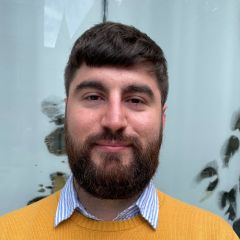
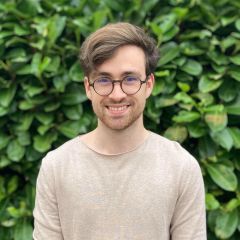
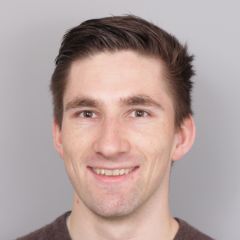
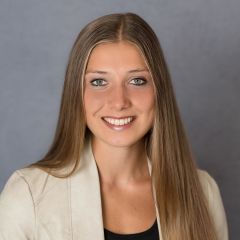



Affiliated members
Alumni
Martin Kahn, DPhil Student
Christopher Thomas, DPhil Student
Alberto Lazari, DPhil Student
Angus Fisk, DPhil Student
Yi-Ge Huang, Clinical Research Training Fellow
Nanyi Cui, DPhil student
Mathilde Guillaumin, DPhil student
Sibah Hasan, Postdoctoral Researcher
Simon Fisher, Postdoctoral Researcher
Tomoko Yamagata, Postdoctoral Researcher
Cristina Blanco Duque, DPhil student
Laura McKillop, Novo Nordisk Postdoctoral Fellow
Collaborators
DPAG
Nuffield Department of Clinical Neurosciences
Department of Experimental Psychology
Department of Pharmacology
Department of Engineering Science
Radcliffe Department of Medicine
Related research themes
We play a leading role in the development of more ...
We host a number of internationally recognised ...