

Cerebral Cortical Development and Evolution
 ©
Dr Fernando Garcia Moreno
©
Dr Fernando Garcia Moreno
Our laboratory is situated in the Sherrington Building, Department of Physiology, Anatomy and Genetics at University of Oxford. We are interested in the interactions between the environment and the unfolding genetic program of brain development, with special attention to the cerebral cortex.
Our objectives
- Understand the development of early cortical circuits (with special attention to thalamocortical projections and subplate neurons).
- Study how progenitor/stem cells produce cerebral cortical neurons during normal embryonic development and in the adult after injury.
- To elucidate the normal migration and differentiation program of cortical neurons and understand their disorders.
- To gain insight into the evolution of these developmental mechanisms.
A functional nervous system relies on precise spatial and temporal orchestration of gene expression, billions of proper electrical and chemical connections between millions of cells, and an exact balance of cell types that navigate and integrate over great distances. As connections form between nerve cells and their electrical properties emerge, the brain begins to process information and mediate behaviours even during embryonic life. Some circuitry is built into the nervous system during embryogenesis; however, interactions with the world continuously update and adapt the brain's functional architecture throughout life. The mechanisms by which these plastic changes occur appear to be a continuation of the process that sculpts the brain during development. To understand the brain and its devastating diseases, we need to reveal the mechanisms that produce it and the ways in which it can constantly change.
Building the brain is like a house of cards. The early connections provide the foundation of the adult structure, and disruption of these may be the source of many developmental flaws. Cerebral cortical developmental disorders (including schizophrenia, autism and dyslexia) and perinatal injuries involve cortical neurons with early connectivity, and the major hindrance of progress in understanding the early neural circuits during cortical development and disease was a lack of basic knowledge on neurogenesis, cell migration and reliable markers for specific cell populations. Due to the advance of powerful approaches in gene expression analysis and the utility of models with reporter gene expressions in specific cortical cell types our knowledge of the early cortical circuits is rapidly increasing. This field benefited from recent developments in mouse genetics in generating models with subtype specific gene expression patterns, powerful cell dissection and separation methods combined with microarray and sequencing analysis. We wish to understand neuronal integration into the early intracortical and extracortical circuitry during normal and altered cortical development.
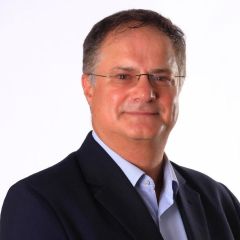
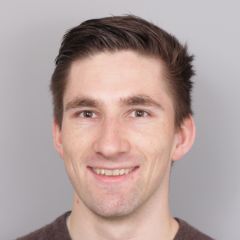
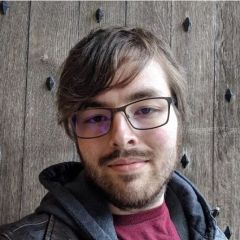
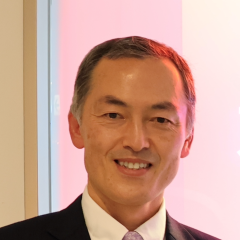
Our team
-
Zoltan Molnar
Professor of Developmental Neuroscience
-
Fernando Messore
Postdoctoral Research Scientist
-
Linus Milinski
Postdoctoral Research Scientist
-
Mona Barkat
DPhil candidate in Physiology, Anatomy and Genetics
-
Jasper Elan Hunt
DPhil Student in Neuroscience
-
Marissa Mueller
Postdoctoral Scientist in Preclinical Neuroimaging
-
Florina Szabo
Academic Visitor
-
Masahiro Tsuji
Academic Visitor
-
Auguste Vadisiute
Academic Visitor
-
Aleisha Durmaz
Masters Student
-
Polina Danilina
FHS Student
-
Shiva Nischal
DPhil Student
-
Laura Rihova
DPhil Student








History of Neuroscience
I am very interested in the history of neuroscience at Oxford with special attention to Thomas Willis, Sir Charles Sherrington and Sir Wilfrid Le Gros Clark. Together with Dr Richard Boyd in 2010 I established the “Oxford History of Science Seminar Series” and together with Dr Damion Young, Professor Pietro Corsi (University of Oxford) and Professor Richard Brown (University of Dalhousie, Halifax) we created a historic repository for the University of Oxford Medical Division. I serve as ‘Visitor’ (Board Member) of History of Science Museum, and associated to the Oxford Centre for the History of Science, Medicine, and Technology.
Join the Molnár Lab
We are a highly collaborative and enthusiastic group. We have several joint projects and studentships with other groups especially with the Mann, Butt, Szele and Vyazovskiy Labs within our Department and around the World. Professor Molnár is associated to Charité-Universitätsmedizin Berlin (Host Prof Britta Eickholt) as Einstein Visiting Fellow (2020-2024). Enquiries from motivated and talented students and post-docs to discuss available research projects and funding possibilities are always welcome. Get in touch
Publication Front Covers
Journal covers
Covers from the publications of the Molnár Lab
What's new
Collaborators
- Professor Molnár's laboratory is collaborating with Prof Britta Eickholt at Charité-Universitätsmedizin Berlin where Prof Molnár is an Einstein Visiting Fellow (2020-2024)
- Professors Ed Mann, Simon Butt, Francis Szele and Vladyslav Vyazovskiy (Physiology, Anatomy and Genetics)
- Prof Mary Rutherford and Prof David Edwards (Division of Imaging Sciences & Biomedical Engineering, The Rayne Institute, St Thomas' Hospital, London).
- Prof Nobuhiko Yamamoto (University of Osaka, Japan)
- Profs Kazunori Toida and Shuichi Hayashi, Department of Anatomy, Kawasaki Medical School, Kurashiki, Japan
- Prof Tomohiro Matsuyama (Hyogo College of Medicine, Hyogo, Japan)
Outreach Activity
Related research themes
We dissect the molecular and cellular mechanisms ...
We host a number of internationally recognised ...